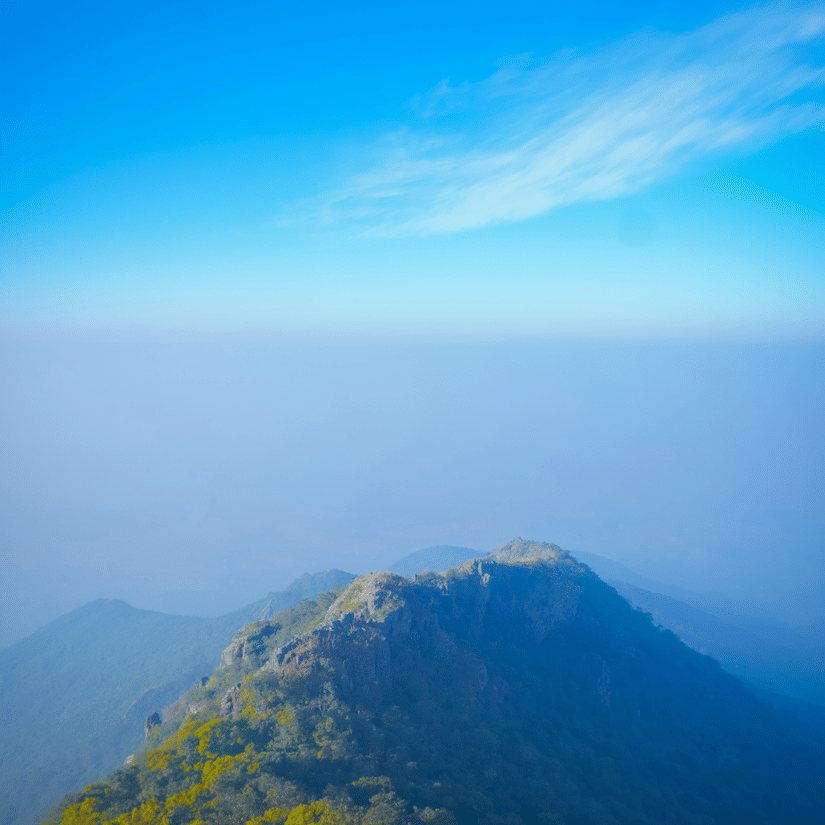
Parasnath Hill, home to the sacred Jain pilgrimage site of Shikharji (Sammed Shikharji), holds unparalleled significance in Jainism. The hill takes its name from Parshvanatha, the 23rd Tirthankara, who attained liberation here according to Jain tradition.
In the centuries that followed, 19 more Tirthankaras are believed to have achieved moksha on this same mountain, making it the most sacred pilgrimage site in the Jain faith.
The name Sammed Shikhar translates to "peak of concentration", reflecting the deep meditation associated with the path to liberation. That concentration of spiritual history across a single ridgeline is what draws lakhs of devotees each year. The Santhal community, indigenous to this region, calls the hill Marang Buru and regards it as sacred within its own tradition.
For Jain pilgrims beginning the climb from Madhuban, the ascent is not simply a trek but a journey through centuries of spiritual heritage. The trail to Shikharji passes numerous sacred sites associated with the Tirthankaras, making the pilgrimage experience begin long before the summit comes into view.
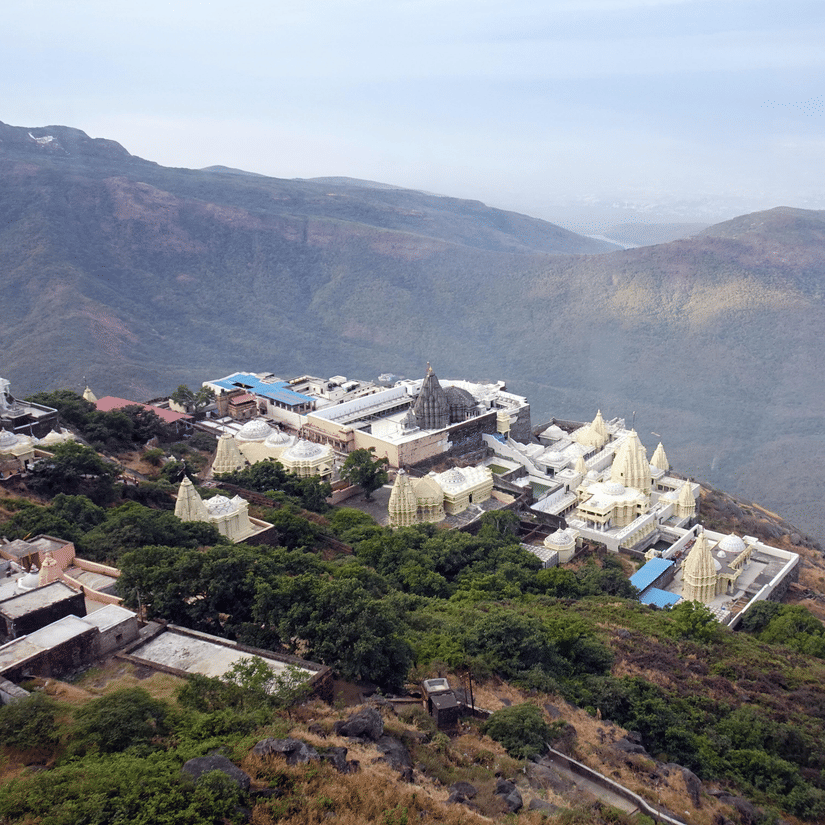
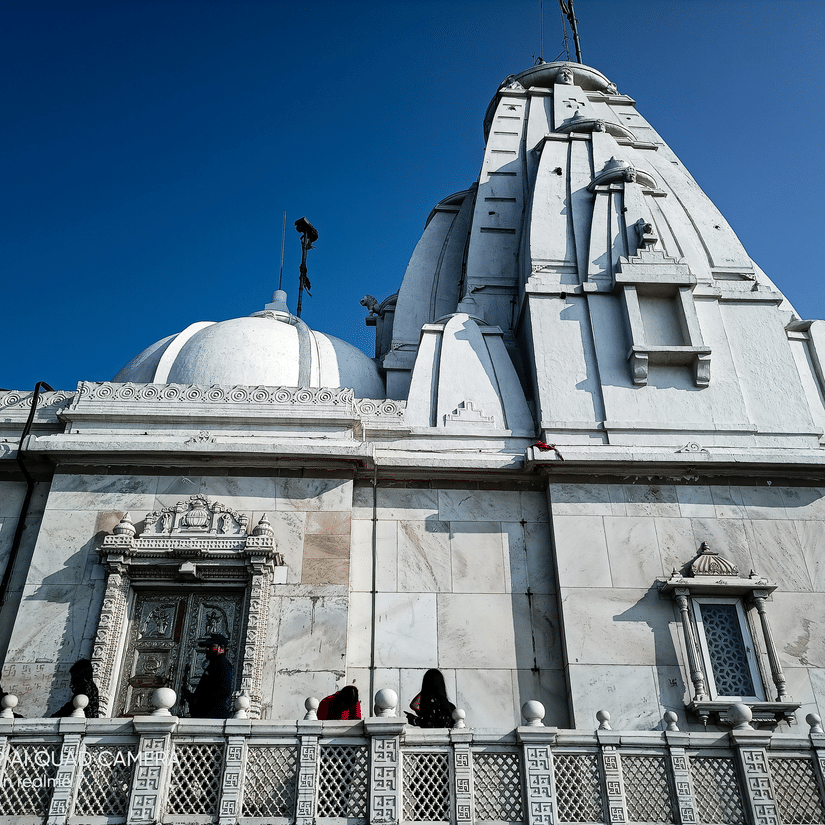
The sacred landscape of Parasnath Hill features 31 distinct tonks—small hilltop shrines built from white marble. Each structure houses paduka (carved footprint impressions) commemorating the Tirthankara or revered spiritual guide who attained ultimate liberation at that precise location.
Rather than lining the path upward from the base village of Madhuban, these 31 shrines are spread horizontally along the high mountain ridge and are reached after completing a steep, 9 km initial ascent.
Visited in a highly specific, traditional sequence during the 27 km parikrama (circumambulation) circuit, several of these shrines date back centuries, while others reflect more recent waves of Jain architectural patronage.
Beyond the continuous line of tonks, several prominent architectural and historical landmarks define the broader pilgrimage circuit:
- Svarna Bhadra Koot: A prominent marble shrine placed directly on the highest peak of the range, serving as a visible beacon from several points along the mountain ascent.
Parshvanatha Tonk: The crown summit shrine of the entire range, marking the exact liberation site of Lord Parshvanatha, the 23rd Tirthankara and the hill's namesake.
Jal Mandir: A stunning marble temple situated directly on the high mountain ridge, known for its refined architecture and prominent position as a rest-and-prayer checkpoint along the parikrama route.
Bhaktamara Temple: Located at the foot of the hill in Madhuban, this base temple is dedicated to one of the most widely recited devotional hymns in the Jain faith.
Nichli Temple: Situated in the base village, this 18th-century heritage structure remains one of the oldest standing temples anchoring the pilgrimage staging area.
Palganj Valley Idol: An ancient, deeply revered idol located roughly 15 to 25 km away from the mountain in the Palganj valley, estimated to be approximately 2,500 years old.
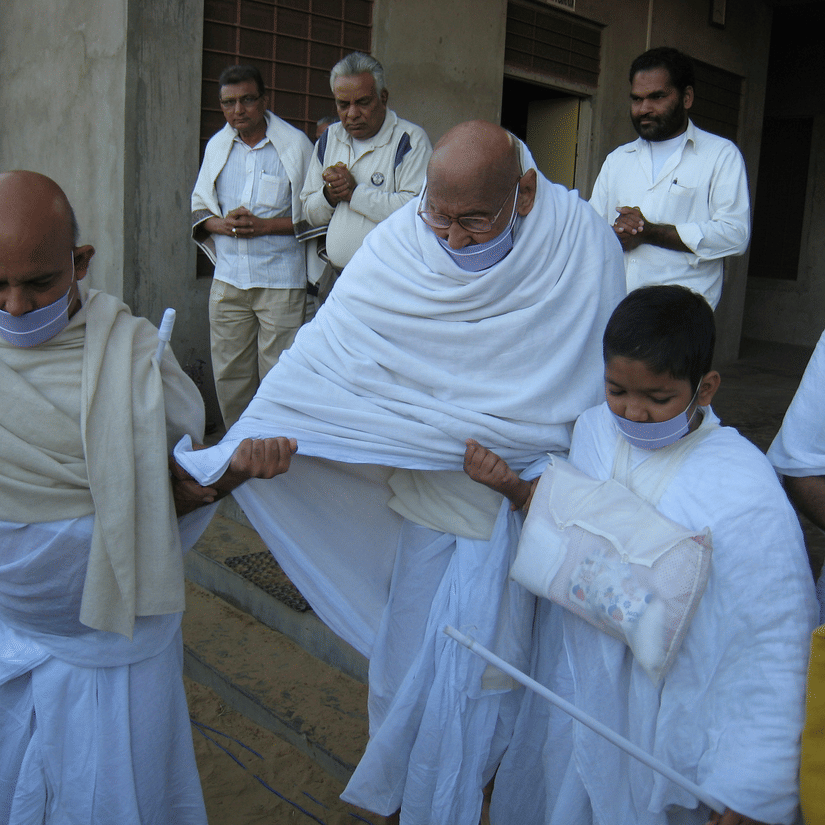
This holiest pilgrimage in Jainism begins at Madhuban, a small base town that serves as the starting point for every ascent. From here, the initial 9 km climb follows a concrete paved track through forested slopes, with the Gandharva Nala stream running alongside sections of the lower trail.
Pilgrims carry traditional offerings of rice, sandalwood, dhupa, flowers, fruits, and diya, presenting them at each tonk along the way. The complete round-trip pilgrimage—encompassing the steep ascent from Madhuban, the sacred loop across the mountain ridge, and the descent back to base—covers a grueling 27 km stretch.
For those who cannot walk the full distance, a doli (a litter carried by local bearers) is readily available at the base. The Sammed Shikharji yatra is a demanding single-day commitment for pilgrims, who traditionally begin their climb around 2:00 AM to complete the full loop and descend before nightfall.
The journey traditionally begins with prayers at the base shrines in Madhuban before proceeding directly up the track to the mountain peaks. Each section of the trail carries a distinct character, from the densely forested lower slopes to the open, windswept ridge near the summit.
The Northern Approach (Via Madhuban)
This is the traditional, universally popular path that most first-time pilgrims and trekkers take. Starting from the base village of Madhuban, it follows a continuously paved concrete track that weaves a gradual ascent through shaded, forested slopes.
The lower sections run through a dense forest canopy alongside the clear waters of the Gandharva Nala stream, eventually opening up as you climb higher to reveal expansive, panoramic views of the surrounding valley. This is the only route equipped with rest stops, and it serves as the exclusive operational hub for doli bearers. While stable year-round, the concrete can become highly slippery during the monsoon months.
The Southern Approach (Via Isri/Nimiaghat)
A much steeper, rugged, and less sheltered alternative that approaches the mountain from the opposite side. Because it breaks through the tree line more quickly, it rewards trekkers with dramatic, uninterrupted vistas of the craggy rock faces and the wide expanse of the Chota Nagpur Plateau stretching out below.
It sees very few pilgrims and offers virtually no commercial amenities or doli services, making it a quieter, more strenuous climb reserved for experienced trekkers seeking an isolated trail.
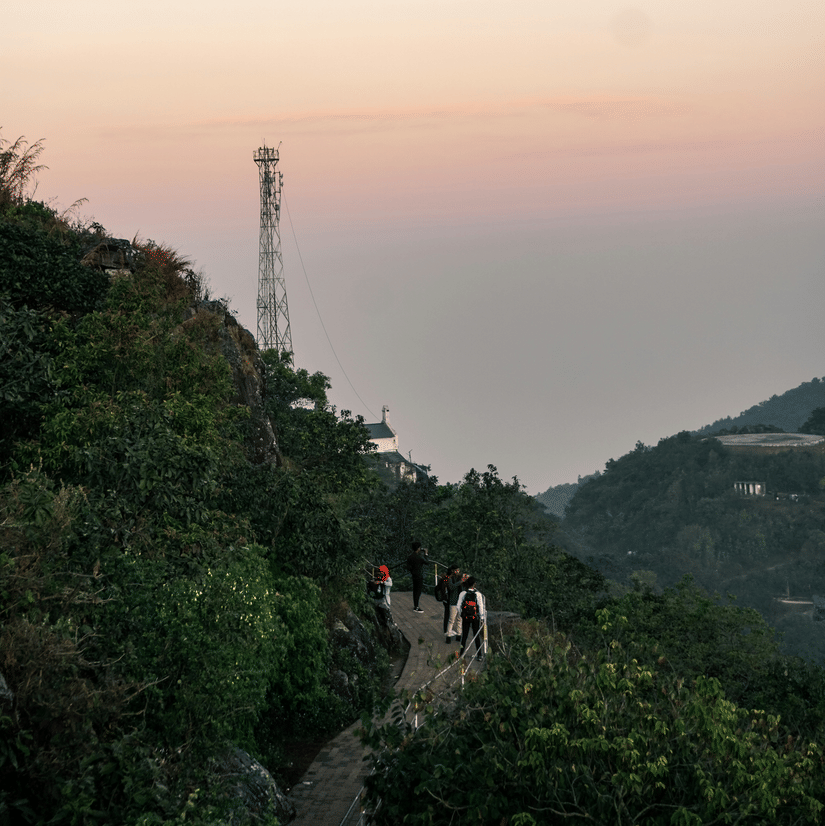
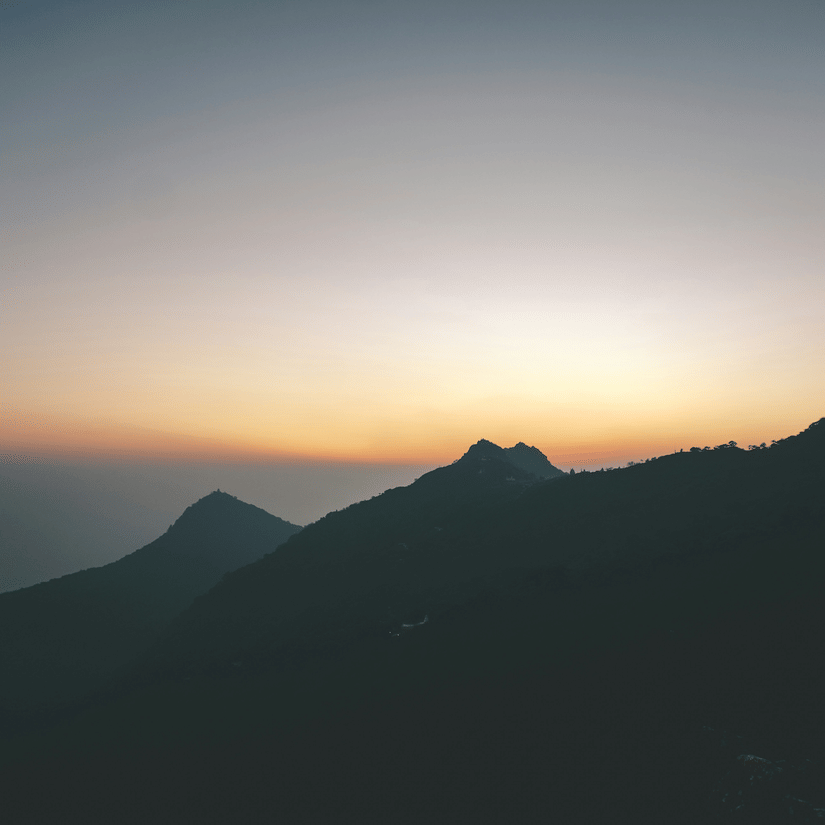
The winter window from October to March brings daytime temperatures between 10 and 22 degrees C, making it the most comfortable period for trekking the 9 km ascent. Summer months from April through June push temperatures up to 35 degrees C, and the exposed sections of the ridge offer little shade during midday hours.
Monsoon from July to September brings heavy rainfall that turns the concrete track slippery and reduces visibility along the ridge. The best time to visit Parasnath aligns with the winter months for another reason beyond the weather.
Major Jain festivals and organised yatra groups concentrate their visits between November and February, so the trail infrastructure, including dharamshalas and bhojnalayas at Madhuban, operates at full capacity during this window.
March remains pleasant at lower elevations but warms quickly near midday on the exposed summit sections. Travellers focused purely on the trek without festival participation find late October and early March less crowded than the peak pilgrimage weeks.
Visit the Sacred Jain Temples: Explore the numerous temples and tonks spread across Shikharji, each associated with the Tirthankaras believed to have attained moksha on the hill.
Undertake the Pilgrimage Walk: Follow the traditional route from Madhuban to the summit, experiencing one of Jainism's most important spiritual journeys.
Enjoy the Mountain Landscapes: The trail passes through forested slopes, ridgelines, and viewpoints that offer sweeping vistas of the surrounding countryside.
Capture Scenic Photographs: Early mornings and clear days provide excellent opportunities to photograph the hill's natural beauty, temple architecture, and panoramic views.
Experience the Spiritual Atmosphere: The peaceful surroundings, devotional chants, and steady flow of pilgrims create a sense of calm that extends throughout the route.
Reconnect with Nature: Away from the noise of cities, the hill offers a tranquil environment where visitors can enjoy fresh air, quiet trails, and moments of reflection.
Observe Local Culture and Traditions: The pilgrimage route offers insight into the customs, rituals, and traditions that have shaped Shikharji's spiritual significance for centuries.


Sturdy Footwear: The concrete track is stable, but uneven sections and monsoon moisture demand ankle-supporting shoes with strong grip.
Water Bottles: Carry at least 2 litres per person, as reliable refill points along the high upper ridge trail can be limited.
Light Snacks: Energy bars, dry fruits, or chikki for sustained fuel during the arduous 9 km ascent and subsequent return loop.
Layered Clothing: Early mornings between October and February drop to 10 degrees C (and lower) at the summit, but the midday sun warms the stone ridge quickly.
Torch or Headlamp: Absolutely essential for the standard pre-dawn starts, as the lower forested sections of the trail receive zero natural light before sunrise.
Sun Protection: A hat and sunscreen for the highly exposed ridge sections above the tree line, particularly from March onward.
Parasnath Hill sits in the Giridih district, with road, rail, and air networks linking it to major cities across Jharkhand and neighbouring states. The hill's location in eastern India means that most travellers arrive via a combination of rail and road, with Parasnath railway station serving as the nearest railhead and two regional airports within driving distance.
Parasnath Railway Station (PNME): The closest railhead to the Madhuban base town (located roughly 30 to 35 km away), served by frequent trains on the Howrah–Delhi main line and several regional routes connecting Kolkata, Patna, and Ranchi.
Ranchi Airport (Birsa Munda Airport): Situated approximately 135 km to 165 km from Parasnath Hill by road, this major gateway offers daily domestic flights from Delhi, Mumbai, Kolkata, and Bengaluru connecting straight to Jharkhand's capital.
Gaya Airport: Located approximately 160 km from the hill by road via NH 19, this smaller airport handles seasonal and limited daily connections, making it primarily useful for travellers combining a Parasnath visit with Bodh Gaya.
Bokaro: Located approximately 40 km to 54 km south of the hill, this industrial city features strong rail connectivity and serves as an excellent alternative staging point for travellers arriving from southern states.
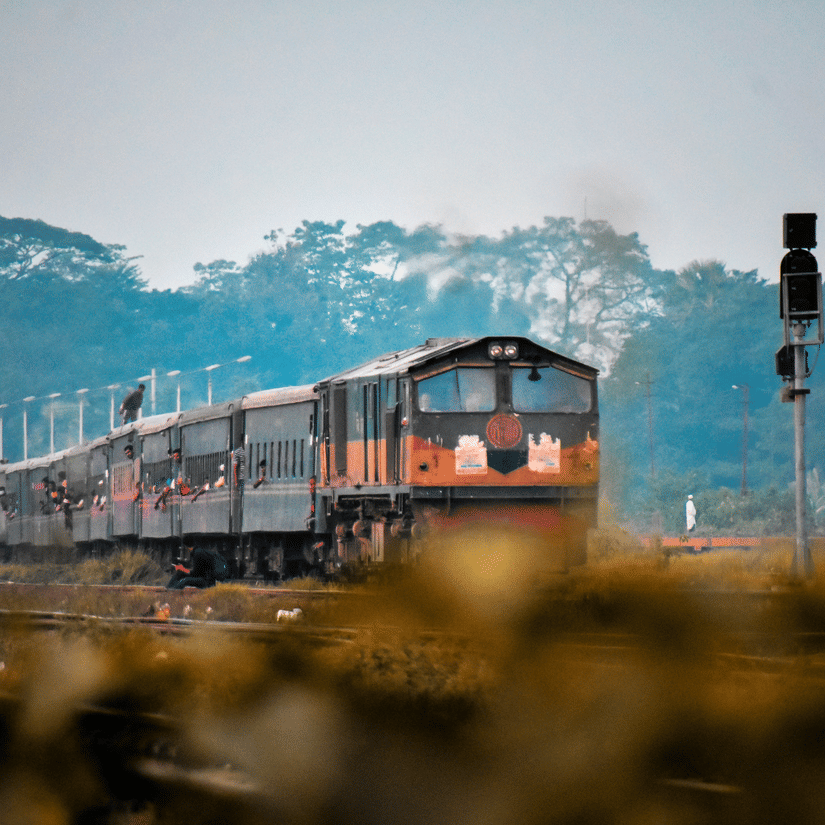
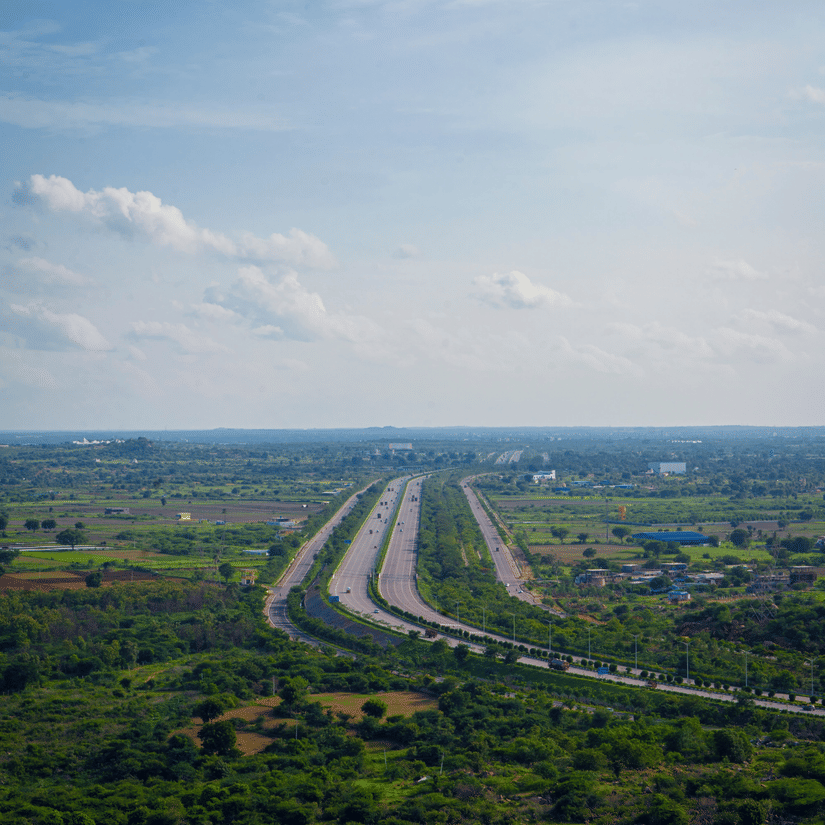
From Dhanbad: Approximately 81.6 km via NH 19, taking around 2.5 hours. This is one of the most convenient routes, following well-maintained highway stretches with regular fuel stations and dining stops along the way.
From Giridih: Approximately 38.9 km via NH 114A, taking around 1 hour 30 minutes. The route offers a straightforward drive and serves as one of the closest access points to Parasnath Hill.
From Hazaribagh: Approximately 103 km via NH 522, taking around 3 hours. The journey passes through scenic stretches of Jharkhand's countryside before reaching the foothills of Parasnath.
These routes make Parasnath Hill easily accessible for pilgrims, nature enthusiasts, and travellers exploring Jharkhand's spiritual and cultural landmarks.
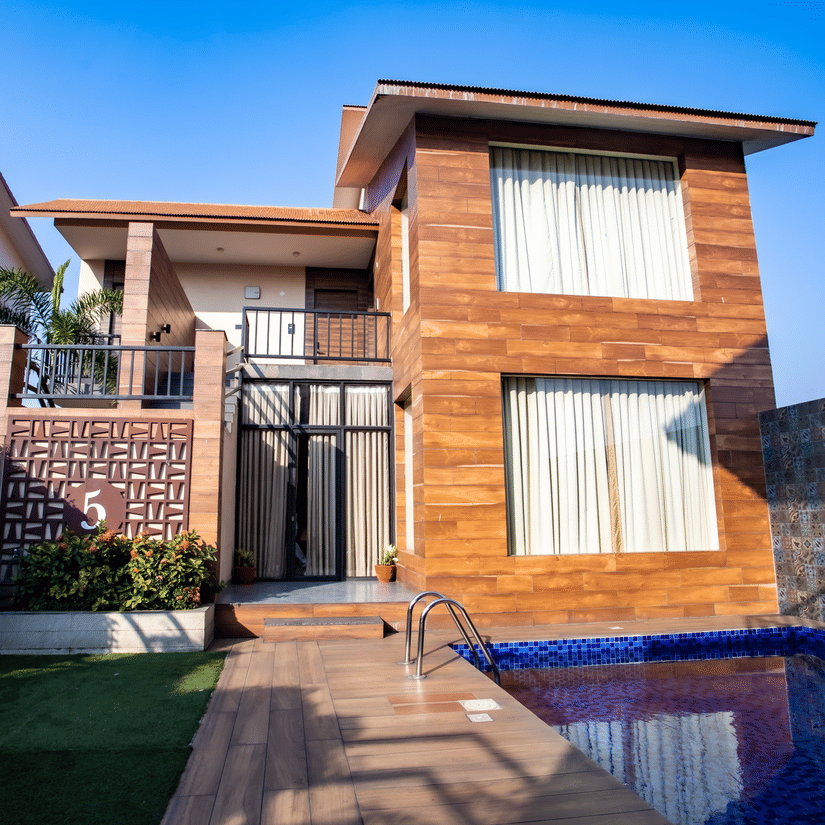
After a day spent on the pilgrimage trail and the drive back from Parasnath Hill, a comfortable place to rest becomes just as important as the journey itself. Wedlock Greens Hotel & Resort, Dhanbad, is spread across 11 acres in Gobindpur along NH 19, offering a peaceful retreat for travellers returning from Madhuban and the summit route.
Guests can choose from 96 well-appointed accommodations, including Deluxe Rooms, Executive Rooms, Suites, and Luxury Villas. Designed with modern comforts in mind, each space provides a welcome opportunity to relax and recharge after the demanding climb and long hours on the trail.
Dining is equally rewarding after a day of pilgrimage and exploration. Our multi-cuisine restaurant serves a variety of North Indian, Thai, Chinese, and international dishes, catering to different tastes and appetites.
For those seeking relaxation, the swimming pool with a jacuzzi offers the perfect way to soothe tired muscles, while the poolside cafe creates a relaxed setting for the evening.
Families travelling together will also appreciate the children's play area and expansive open grounds, making the resort a comfortable stop for pilgrims, nature lovers, and leisure travellers alike.